From the Engineer's DeskAUG 12, 20265 min read
From intern to Associate AI Engineer
A summer spent building the WorkPro MCP, and what building against the business taught me that reading about it could not.
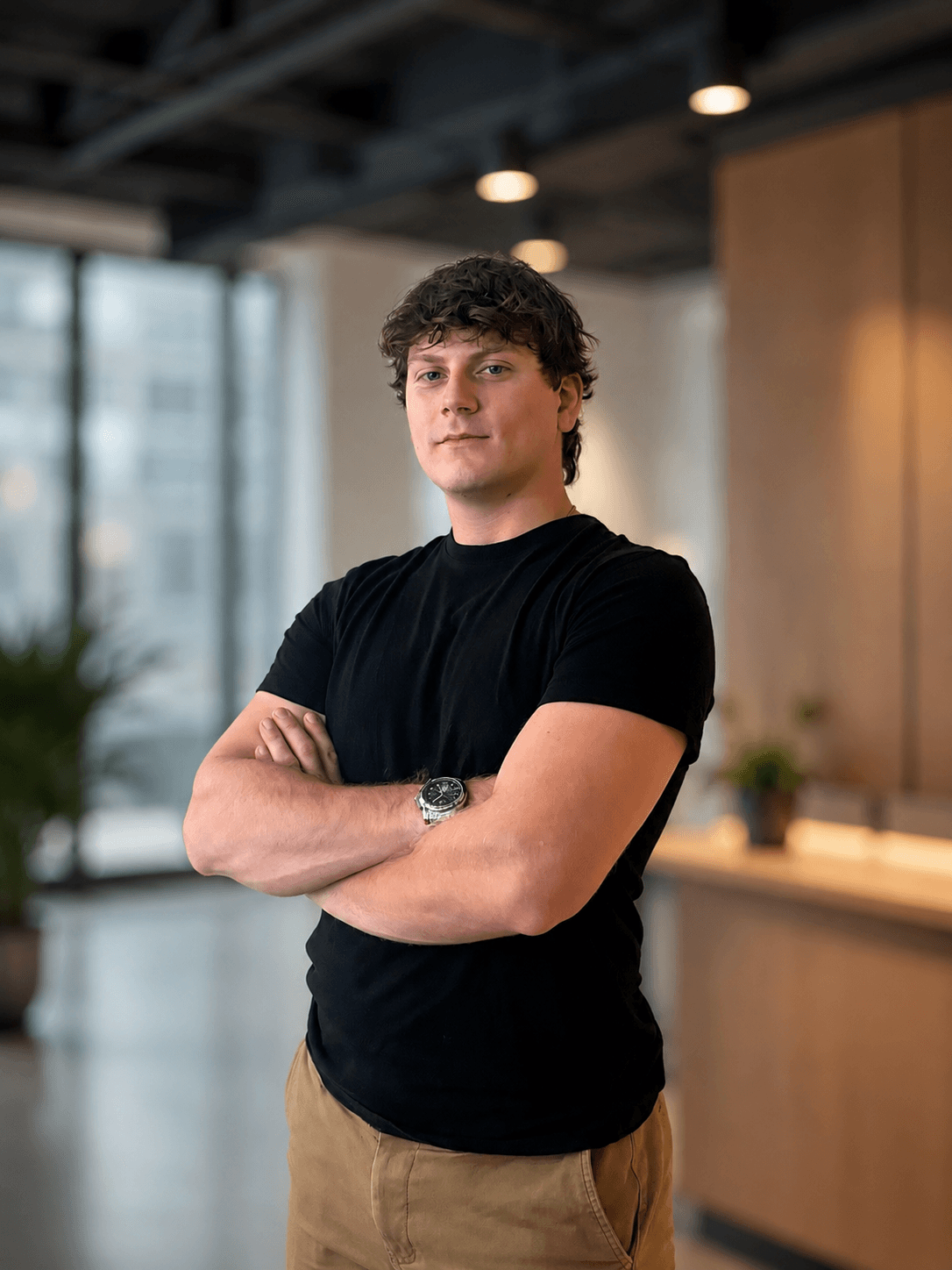 James IorioAUG 12, 2026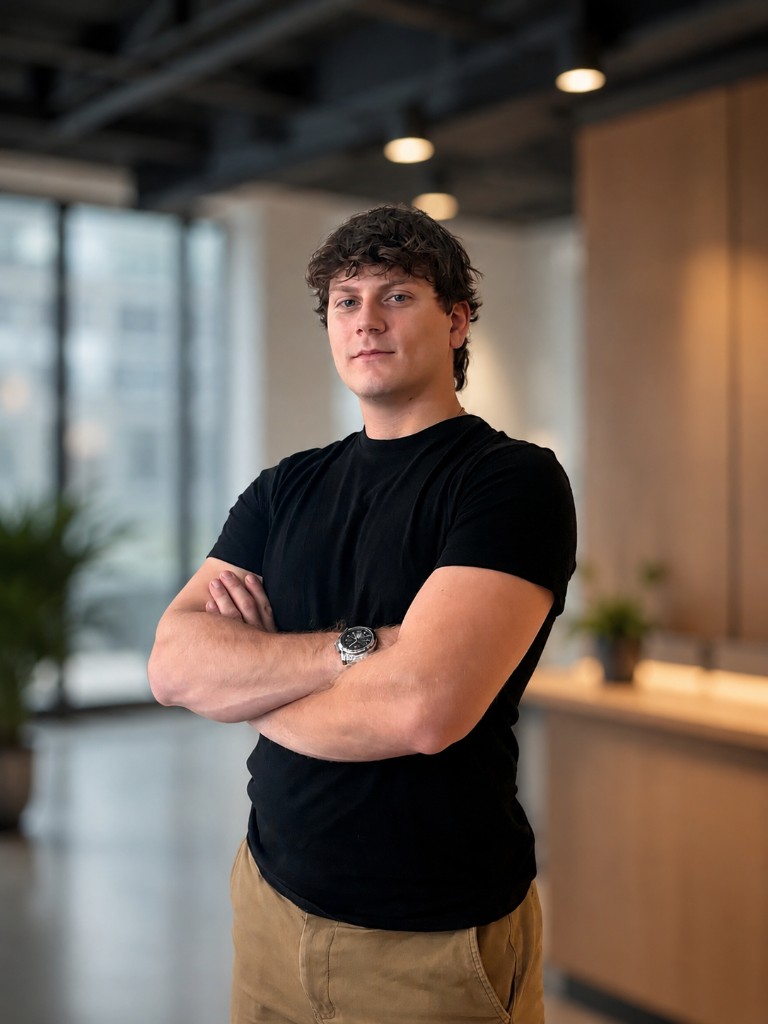
When I started as an intern at Bigge in May, I had no idea what I was in for. I was joining one of the largest crane organizations in the United States, coming off my third year of college at Georgia Tech, and still trying to understand where AI and software engineering fit into Bigge, or even just the crane industry. What I came to learn pretty quickly was that Bigge is already ahead of most other companies.
Coming into my internship, I knew I had only scratched the surface of software development. There was a lot I didn't know, and honestly, there still is. One of the biggest lessons I've learned is that you can learn a tremendous amount simply by listening to the people around you. But listening isn't enough. You have to be curious. You have to want to understand why something works the way it does, ask questions when something doesn't make sense, and sometimes ask questions that feel too simple to ask. There is almost always someone who knows more about something than you do, and taking the time to ask them about it can open up an entirely new perspective.
Building the WorkPro MCP
One of the things that makes Bigge unique is the opportunity to work with the newest developments in technology while also getting real hands-on experience and ownership over projects. During the second half of my internship, I started working on a WorkPro MCP, our integration layer designed to connect Bigge's operational data with AI intelligence.
MCP, or Model Context Protocol, has become one of the major developments in the AI space recently. At a high level, it provides a standardized way for AI systems to interact with external tools and data. For me, the interesting part wasn't simply building something with a new technology. It was figuring out what we could actually do with it. The WorkPro MCP grew into a multi-server TypeScript system, connecting AI agents to data across Bigge's Fleet, Field Service and Operations areas.
I started creating tools across all three servers one by one, and the loop was the same every time.
- Build the tool.
- Test how it behaves.
- Check the quality of what comes back.
- Find the bugs and fix them.
It was one of the fastest ways I found to learn how Bigge actually operates. I wasn't just reading about the business, I was building against it, and that distinction mattered.
A harder question than whether it works
At some point I had to answer something harder than whether the thing was useful at all. A tool can be technically impressive and still not be useful. That's something I started to understand more clearly as I spent time talking with the people who would actually use these systems. I talked with others at Bigge, asked how they currently handled different tasks, and tried to understand where the real friction was.
Those conversations changed how I thought about engineering. It's easy to sit behind a computer and build what you think someone needs. It's much harder, and much more valuable, to go talk to that person and understand who they are and what I can do to help them.
That's also what I think makes AI particularly interesting in a business like Bigge. The goal isn't to add AI just because it's the latest technology. The goal is to use it where it can make someone's job easier, help people make better decisions and improve access to information. In other words, to solve problems. That is what engineering is, and that is what I have taken away from this internship.
The people
Another important part of this experience has been the people I've had the opportunity to work with. In particular, my manager Keenan has been a mentor and role model to me throughout my time at Bigge. A lot of what I've learned hasn't come from someone sitting down and teaching me a specific technical skill. It's come from watching how experienced people approach problems, make decisions, work with others and think about the bigger picture.
One thing I've taken away from that mentorship is that work isn't everything, rather doing good work is. Building something you're proud of matters. But so does doing good work for the people around you: your coworkers, your team, and especially your family.
As I've progressed through my internship and into my new role, I've started to think less about simply proving that I can build something and more about whether the work I'm doing is genuinely valuable to the people around me. That's a perspective I don't think I would have gained from any other place.
Where it stands
I am happy to share that the WorkPro MCP is now live, giving Bigge a foundation for connecting operational systems and data with AI in a more practical way to improve efficiency, and this is only the beginning. There's a lot more ahead, and I'm excited to continue being part of it at Bigge. As I return to Georgia Tech for my final year studying Mathematics and Computer Science, I am grateful for the opportunity to step into a new role at Bigge as an Associate AI Engineer.
Looking back at where I started, the biggest change isn't that I suddenly know everything about software, AI, or the crane industry. I don't. What has changed is that I know how much there is to learn.
I'm grateful I had the opportunity to do exactly that at Bigge, and I'm even more excited to continue building what comes next.
James Iorio
Associate AI Engineer